
Trimming Crape Myrtles in a Warming Florida Climate

Although the crape myrtle is originally from eastern Asia, its presence in the U.S. South is dominant. First introduced to South Carolina in the late 1700s, the crape myrtle come in a variety of colors from white to red to a deep purple. Obviously the tree is dormant in the winter months but by late winter it’s time to prune. That’s the common advice but temperatures are atypically warm in central Florida this year. I noticed some gardeners have trimmed their trees as early as mid January. Crape myrtles have already sprouted in the region.

My crape myrtle is young. I planted it a year ago and the branches grew to the width of pencil or less. So I trimmed those. I’m no expert in this arena but the gurus at the University of Arkansas suggest that butchering crape myrtles–cutting off big branches so the tree is only 4-5 feet high–is maybe not the way to go. Here is their tutorial on the right way to trim the tree.
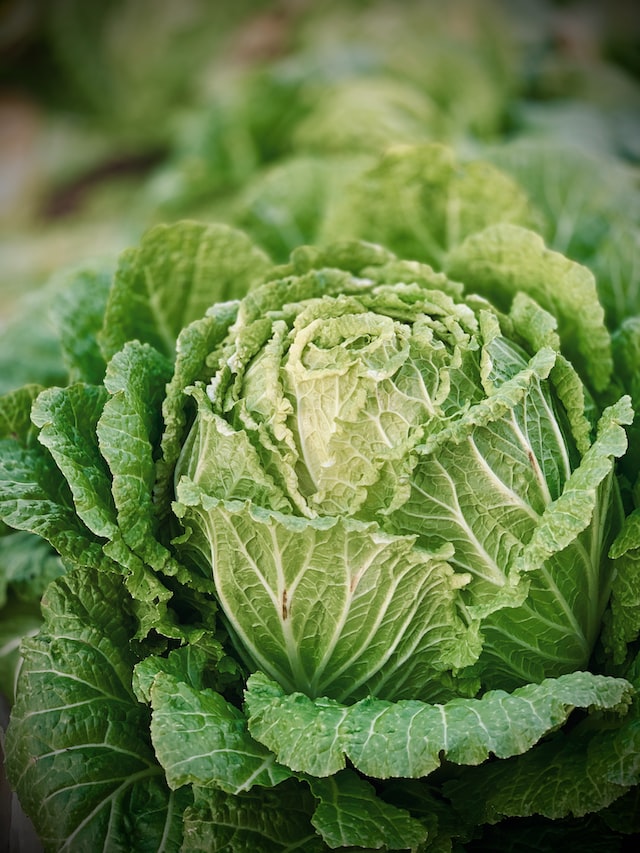
Planting Vegetables in September in Florida

Fall is a great time to start your garden!

So you’ve survived the endless heat and rain of summer in Florida and want to finally establish that vegetable garden. September is the ideal period to do just that. Part of the reason is that you can grow both cool and warm season crops.

Photo by David Holifield on Unsplash.

Does location matter? 

  • Absolutely.
  • Florida is a big state and it’s important to grow the right crops in the right zone. There are four general hardiness zones (8-11) designated by the U.S. Department of Agriculture for Florida. (We’ll discuss zone 11, the Florida keys, in a separate post.)

South Florida (zone 10)/Central Florida (zone 9): Beans, beats, broccoli, carrots, cauliflower, collards, corn, cucumber, eggplant, kale, lettuce, mustard, onions, peas, peppers, pumpkin, radish, summer spinach, summer squash, tomatoes, turnips, (watermelon in zone 10)

North Florida (zone 8): Beans, beats, broccoli, cabbage, carrots, cauliflower, collards, corn, cucumber, kale, lettuce, mustard, onions, radish, sorrel, summer spinach, summer squash, turnips.

If you want more information on how to prepare your vegetable garden for the fall, this blog post does a thorough job at explaining the ins and outs.