
Garden Design To Attract Butterflies in Florida, Combat Species Decline

Globally, there’s a butterfly crisis. In particular, the number of Monarchs in the Western United States has declined from 10 million in the 1980s to fewer than 2,000 in 2021, according to the Washington Post. That’s a 99.9 percent decline. Much of the problem has to do with climate change. In Florida, changes in rainfall patterns have affected species decline of the Miami blue. Tackling climate change may seem like an overwhelming problem, but there are steps, even simple ones, Floridians can take to foster habitats for butterflies.
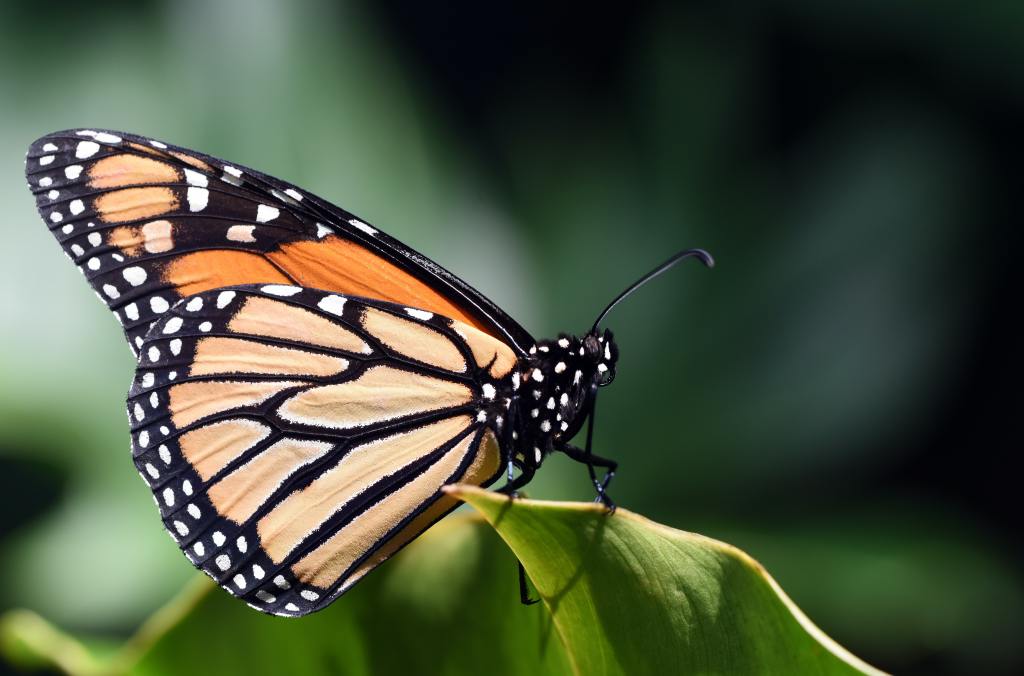
Monarch Butterfly. Photo by David Clode on Unsplash

Florida has more than 200 species of butterflies. But to attract these species means having the right plants for both the adult butterfly and the growing caterpillar. So, what are the key steps to establishing a butterfly garden?

What to Plant and Where

The goal isn’t to plant a few butterfly friendly plants. Planting a minimal number of plants means the butterfly will only pass through your garden. To make a make it a home for species, plant a wide array of brightly colored flowering plants of different shapes, heights, as well as lengths (This provides different habitats for different species.). A wide variety of plants also guarantees you’re providing the right nourishment for both butterflies and caterpillars, as they consume different things (such as larval host plants). You’ll want to focus on planting Florida Native plants and the Florida Wildflower Foundation has a list of those that attract butterflies, including the Black-eyed Susan, which we discussed here. To help butterflies combat changing weather patterns and oppressive heat, consider establishing some shade friendly plants as well.

Some people have fountains installed nearby to provide a constant source of water for species. One final point, which should go without saying: do not use fertilizers or pesticides on or near this garden.
6 Visually Striking Florida Native Plants To Use in Landscaping This Fall

Cooler temperatures and lower humidity mean an opportunity to see Florida native plants in their full, colorful glory in the fall. What’s great about native plants is that they don’t require much water and no fertilization. They also provide food and shelter for native species. So what are some visually striking plants to grow during this period?

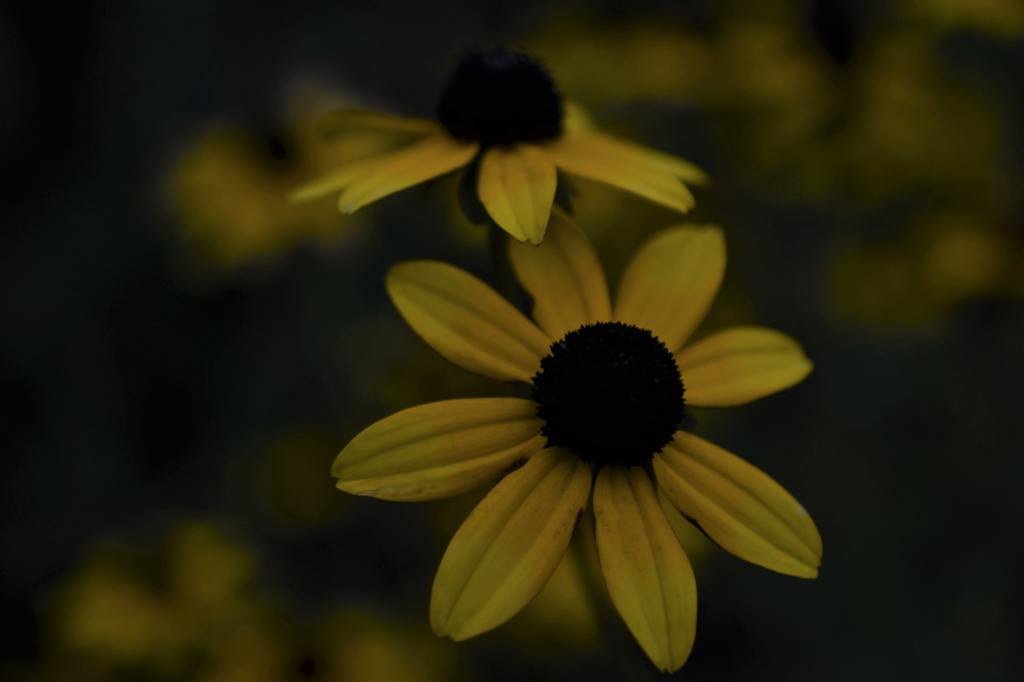
Black-eyed Susan. Photo by Julie Blake Edison on Unsplash

Black-eyed Susan

Belonging to the Asteraceae (Aster or Composite family), the Black-eyed Susan is a lovely wildflower to include in your fall foliage mix. It needs rich, well-drained soils, regular moisture, and full sun to minimal shade. The plant can grow up to three feet tall. Black-eyed Susans can stand alone in a flower bed, but they’re also beautiful in combination with other wildflowers. You can purchase these seeds at the Florida Wildflowers Growers Cooperative.

Ironweeds

Growing up to eight feet tall, Ironweeds (Aster family) possess an intense purple color. According to North Carolina State University, the plant “is attractive if blooming occurs at different heights, so prune to different heights for this effect.” In contrast to the delicate beauty of the flower is the fact that Ironweeds are a very hardy plant. It needs full sun to partial shade and a moist, acidic, well-drained soil. That said, it can survive in drier soil as well.

Firebush

If you want a pop of color this fall, the Firebush (Hamelia patens) doesn’t disappoint. This bush offers bright red flowers which serve as a complementary color to the greens and browns of fall. The plant is also a wonderful bird and butterfly attractor. The evergreen, low maintenance, drought-tolerant shrub needs full to partial sun and sandy, moist well-drained soil. It can grow up to 15 feet and spread up to eight.

Sweet Acacia

The Sweet Acacia (Acacia farnesiana) is a bush with yellow, sweet-smelling puff-like flowers. Growing up to 20 feet with a 20-foot spread, the stems of the plant have thorns. It’s best not to put this ornamental plant near walkways. It grows ideally under full sun or partial shade in dry to medium well-drained soil. Besides Florida, this plant is native to Mexico, Central America and parts of South America.

Chickasaw plum

Have you thought of growing something to eat? If so, the Chickasaw plum (Prunus angustifolia) would make a tasty edition to your fall garden. The tree is covered in fragrant, small white flowers and when the fruit appears, it turns from red to yellow when ripened. It can grow up to 25 feet, but often stops short of that. The Chickasaw should be planted in full sun and prefers acidic soil. Consider making a jelly out of the fruit.

Blue Mistflower

We’ve covered white, yellow, red and purple. But what about blue? The Blue Mistflower (Conoclinium coelestinum) is true to its name, producing a blue-colored flower that sometimes appears violet. It can grow to three feet high with triangular shaped leaves. If you want a plant to take over an area, the Blue Mistflower certainly can.

Venomous Puss Caterpillars Found in Florida in Fall, Spring

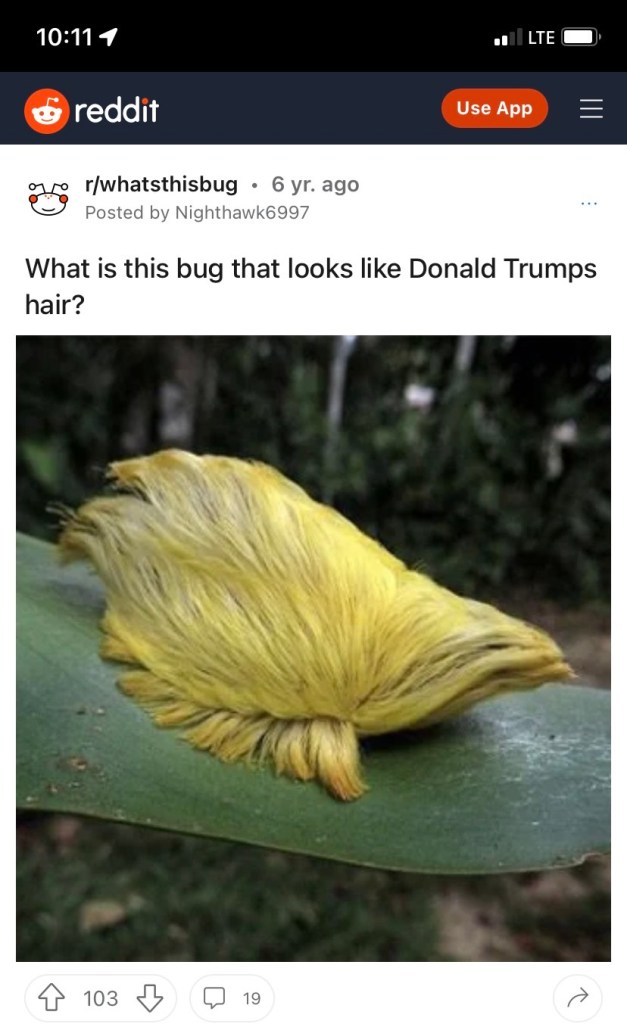
Gardening in the sunshine state is a relatively benign affair. However, it’s important to watch out for critters that can do some damage. They may not affect plants, but the venom of the “puss caterpillar” (Southern flannel moth) is harmful to humans.

Photo from: Reddit

Rarely are these caterpillars deadly, although it’s good practice to keep your distance. The inch-long bug is covered in furry-like hair which hide toxic spines. These can stick to your skin. The sting can cause itching, burning, rashes, lesions and swelling and on numerous spots on the body.

Experts say, according to WFLA, if you are stung to get the “spines out of your skin as soon as possible using cellophane tape. Ice packs, oral antihistamine, and hydrocortisone cream can also be used to help with the pain.”

Puss caterpillars are not only located in Florida, but can be found in between here and New Jersey, or as far west as Texas. In Florida, expect to see them in the fall and spring. They usually are found in oak and elm trees.

However, Lyle Buss, an entomologist from the University of Florida’s Insect Identification Lab, told Newsweek that “puss caterpillars are generally pretty common in Florida, although I haven’t seen any this year myself.”